
x
New members: get your first week of STAFFONO.AI "Starter" plan for free! Unlock discount now!
Customer Messaging That Converts: Strategies, Templates, and Best Practices for Modern Teams

Customer Messaging That Converts: Strategies, Templates, and Best Practices for Modern Teams

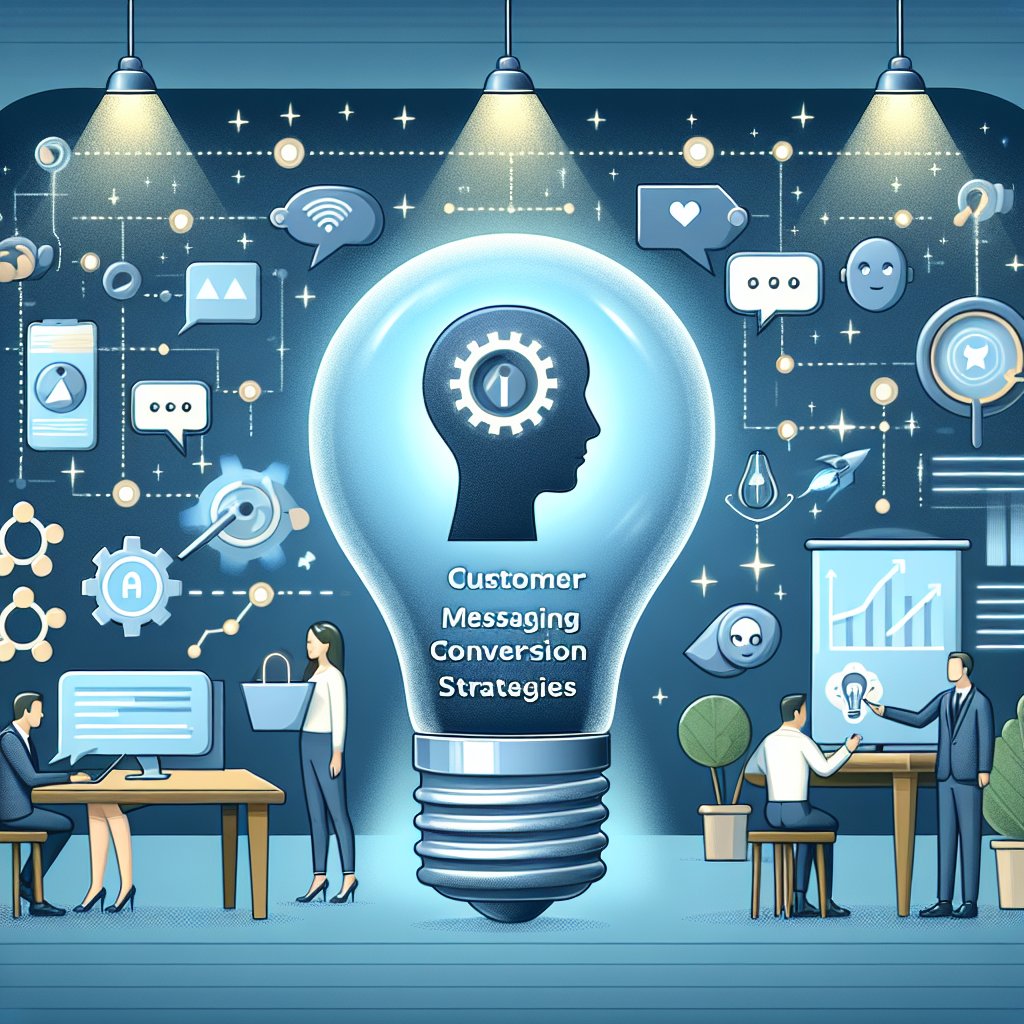
Customer messaging is no longer just support, it is a growth channel that influences conversions, retention, and brand trust. This guide covers practical strategies, ready-to-use templates, and automation best practices to help you respond faster, personalize at scale, and turn conversations into revenue.

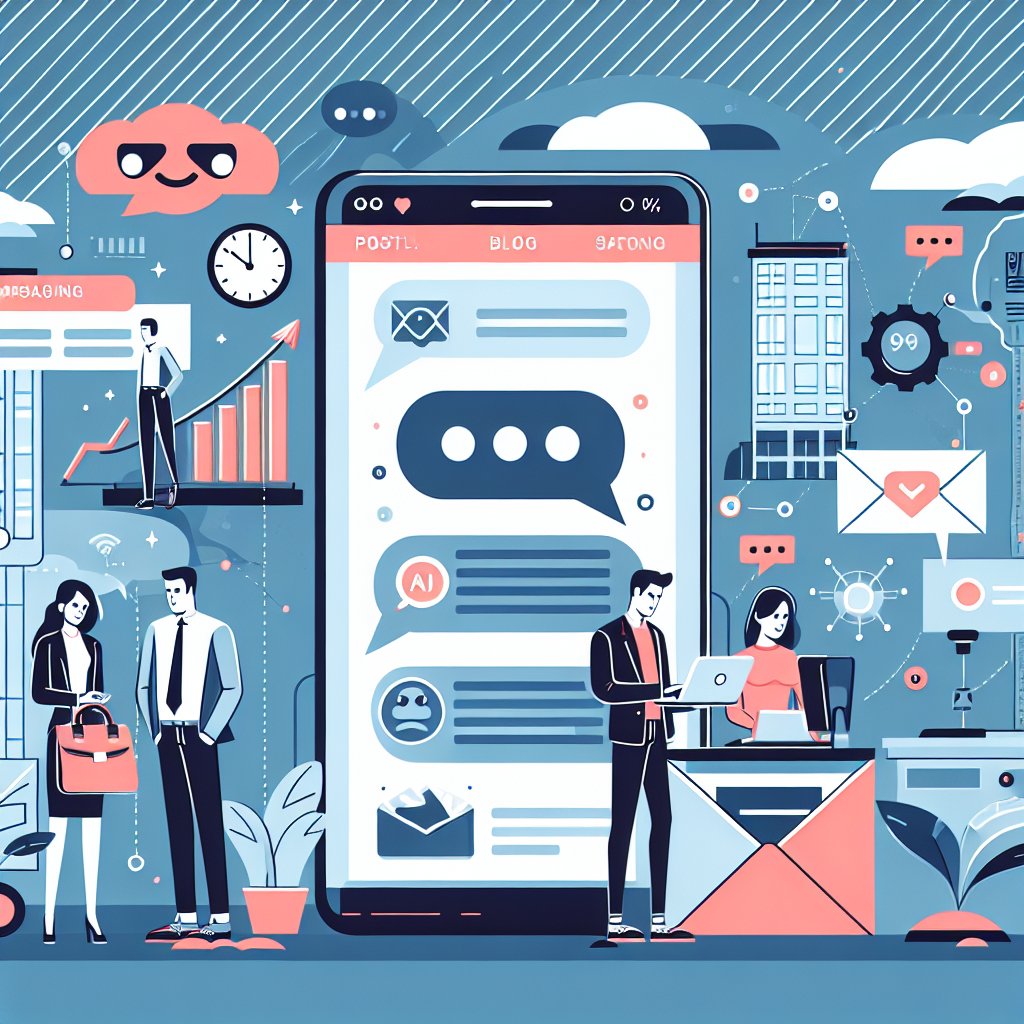
Customer messaging has become the default way people interact with businesses. Buyers ask questions in WhatsApp, respond to Instagram DMs, click a Facebook Messenger ad, or open a web chat while comparing options. In this environment, the quality of your messaging directly affects lead generation, sales velocity, and customer satisfaction.

The challenge is consistency. Customers expect quick replies, accurate information, and a human tone, across channels and time zones. That is hard to deliver with a small team, and expensive to scale with a large one. This is where AI-assisted messaging and automation can be a competitive advantage. Platforms like Staffono.ai provide 24/7 AI employees that can handle customer communication, bookings, and sales across WhatsApp, Instagram, Telegram, Facebook Messenger, and web chat, helping teams stay responsive without sacrificing quality.

What “good messaging” looks like in 2025

Effective messaging is not about sounding clever. It is about reducing friction and guiding the customer to the next step. The best messaging programs share a few traits.

  • Speed with substance: Fast replies matter, but speed without clarity creates more back-and-forth.
  • Context awareness: The conversation should reflect what the customer already shared, the channel they are using, and the stage of the journey.
  • Clear next actions: Every message should either answer the question or move the conversation forward.
  • Consistent voice: Your tone should be recognizable across channels, agents, and shifts.
  • Measurable outcomes: Messaging should be tracked like any other growth lever, with conversion rates, response times, and resolution rates.

Core strategies for high-performing customer messaging

Design your conversation journey, not just scripts

Scripts help, but journeys convert. Map the most common conversation paths from first contact to purchase or booking. For example:

  • New lead from Instagram DM asks about pricing
  • You qualify their needs and timeline
  • You recommend the right package
  • You share availability and collect booking details
  • You confirm and send a payment link or invoice

When you design journeys, you can identify where leads drop off and add better prompts, FAQs, and follow-ups. With an AI employee on Staffono.ai, these journeys can be executed consistently 24/7, with the AI collecting key details, offering options, and escalating to a human when required.

Lead with value, then ask for information

Many teams ask too many questions too early. A better approach is to provide a helpful answer first, then request a small piece of information to personalize the next step.

Example: instead of “What is your budget?”, try “We have options for small teams and enterprise use. To recommend the best fit, how many users will need access?”

Use micro-commitments to reduce drop-off

Messaging works best when it feels easy. Replace big asks with small steps:

  • “Do you want to see prices?” instead of “Ready to buy?”
  • “What day works best?” instead of “Book now.”
  • “Share your email for the quote?” instead of “Fill out this form.”

Micro-commitments can be automated in your flows. Staffono.ai can run these conversational steps in WhatsApp or web chat and keep the tone natural while collecting the info your sales team needs.

Personalize using simple signals

You do not need complex data to personalize. Use what you already have:

  • Channel context: Instagram users often want quick answers and visuals, while web chat visitors may be comparing features.
  • Location and time: offer local hours and relevant availability.
  • Intent keywords: “price”, “demo”, “book”, “urgent”, “refund” should trigger different paths.

AI-driven messaging can apply these signals instantly and maintain consistent handling even during peaks.

Messaging templates you can plug in today

Templates should feel like starting points, not rigid scripts. Keep them short, clear, and easy to adapt.

First response templates (speed and clarity)

  • General inquiry: “Thanks for reaching out. I can help with that. Are you looking for information about pricing, availability, or features?”
  • After-hours: “Thanks for your message. We are here to help. If you share what you need, we will reply as soon as possible. If you want, I can also help you book a time now.”
  • Lead from an ad: “Great question. To point you to the best option, what is your goal: more leads, faster bookings, or better customer support?”

Qualification templates (collect details without pressure)

  • “To recommend the right option, what industry are you in and what is the main task you want to automate?”
  • “How soon are you looking to start, this week, this month, or later?”
  • “Do you prefer messaging on WhatsApp, Instagram, or web chat for follow-up?”

Pricing and value templates (avoid sticker shock)

  • “Pricing depends on the channels and the volume of conversations. If you tell me which channels you use most, I can share a realistic range and the best plan.”
  • “If your main goal is faster response times and more bookings, the quickest win is automating first-response and scheduling. Want to see how that works?”

Booking and scheduling templates (reduce no-shows)

  • “I can help you schedule this now. What day and time works best, and what is your time zone?”
  • “Confirmed. You will receive a reminder before the appointment. If anything changes, just reply here to reschedule.”

Follow-up templates (polite persistence)

  • “Quick check-in. Do you still want help choosing the best option, or should I send a short summary?”
  • “Last message from me for now. If you want, tell me your top priority and I will recommend the next step.”

Support and escalation templates (protect trust)

  • “I can help with that. Can you share your order number or the email used, so I can check details?”
  • “Thanks for the context. This needs a specialist. I am looping in our team now, and you will get an update here.”

Best practices for automation without losing the human touch

Automate the repetitive, not the sensitive

Great candidates for automation include FAQs, lead qualification, booking, order status, and basic troubleshooting. Sensitive topics like refunds, complaints, or complex negotiations should use assisted automation: the AI collects details, summarizes the situation, and hands off to a human with full context.

This is where AI employees from Staffono.ai can be especially useful. They can handle high-volume inquiries across channels, keep response times low, and escalate edge cases with a clean summary so your team can act fast.

Keep messages short and scannable

Messaging is not email. Use short paragraphs, one question at a time, and clear options. When offering choices, limit to two or three.

Build a tone guide and enforce it

Define your voice using simple rules:

  • Preferred greeting style
  • How formal or casual you are
  • Whether you use emojis (many B2B teams should avoid them)
  • Words you avoid and words you prefer

When you use automation, your tone guide becomes even more important. Configure your AI to follow it consistently, so customers do not feel a jarring shift between agents and channels.

Measure the metrics that matter

Track operational and revenue metrics together:

  • First response time
  • Time to resolution
  • Lead-to-meeting conversion rate
  • Meeting-to-sale conversion rate
  • Customer satisfaction or sentiment
  • Drop-off points in your conversation journey

When you can see where conversations stall, you can refine templates, adjust qualification questions, or add better offers.

Practical example: turning DMs into booked appointments

Imagine a service business receiving 50 Instagram DMs per day. Most ask the same questions: price, availability, location, and what is included. If replies take hours, leads drift away.

A simple conversion-focused flow looks like this:

  • Instant response acknowledges the message and offers two options: pricing or booking.
  • If pricing, the system asks one qualifying question and shares a relevant range plus what is included.
  • It then offers available times and confirms the booking inside the same chat.
  • Reminders are sent automatically, and unanswered leads receive a polite follow-up.

With Staffono.ai, this can be handled across Instagram and WhatsApp simultaneously, with the AI employee managing the flow, capturing details, and syncing bookings so your team focuses on delivery rather than repetitive messaging.

Common messaging mistakes to avoid

  • Delayed replies: even a great answer can lose to a faster competitor.
  • Overlong messages: walls of text reduce comprehension and response rates.
  • Too many questions at once: it feels like a form, not a conversation.
  • Inconsistent answers: different agents quoting different policies erodes trust.
  • No follow-up system: many sales are lost simply because nobody checked back.

How to implement a messaging system in a week

Day one: audit and prioritize channels

List where customers message you and which channels drive the most revenue. Start with the top two.

Day two: build your template library

Create templates for first response, qualification, pricing, booking, and follow-up. Keep them flexible.

Day three: map the top conversation journeys

Pick the top five reasons people message you and design a path for each.

Day four: add automation and routing

Automate FAQs and booking, and define escalation rules. Ensure handoff includes context.

Day five: launch and measure

Go live, monitor conversations, and refine. Small changes in phrasing can create big lifts in conversion.

If you want to scale this without hiring a large support or sales team, using 24/7 AI employees from Staffono.ai is a practical next step. Staffono can unify messaging across WhatsApp, Instagram, Telegram, Facebook Messenger, and web chat, automate lead capture and bookings, and keep your customer experience consistent as your volume grows.


Category: