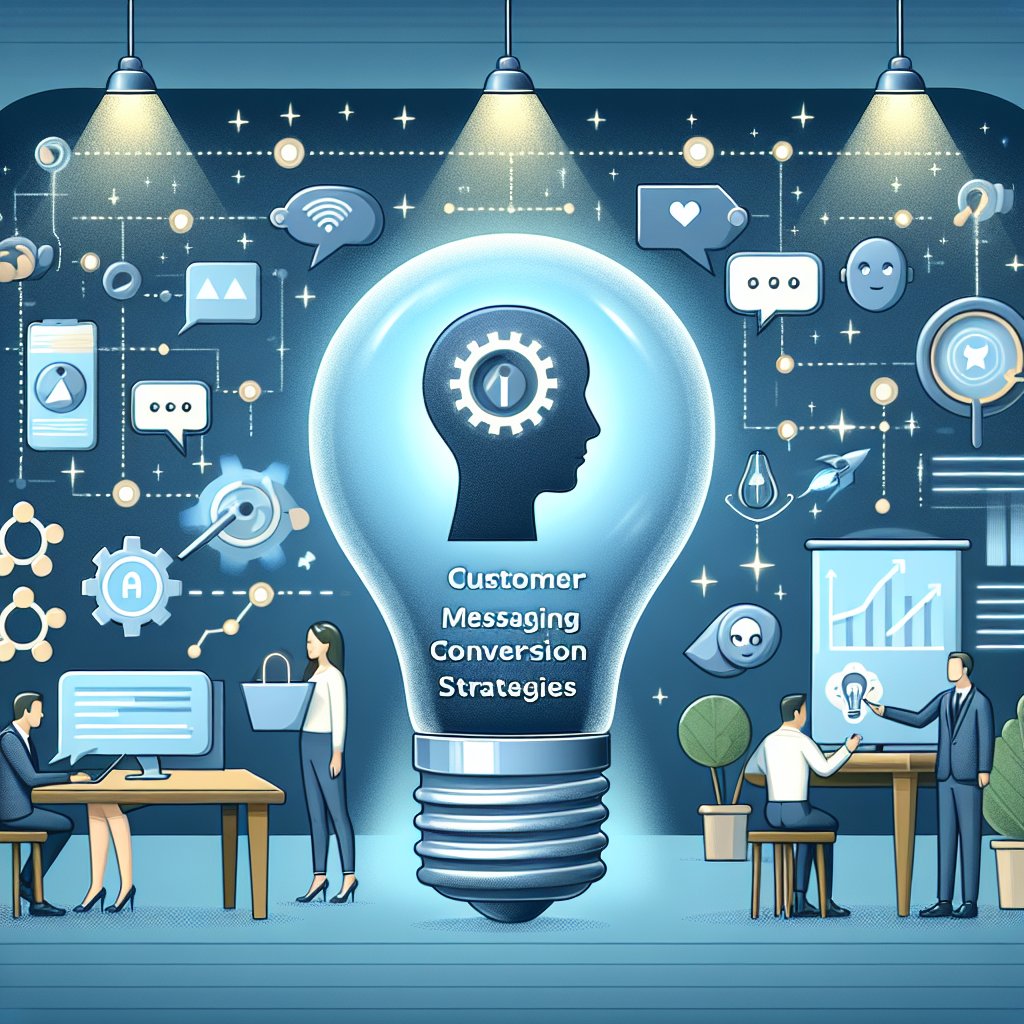


Customer messaging is now the front door to your business, and the quality of your replies directly impacts revenue and retention. This guide covers proven messaging strategies, ready-to-use templates, and AI-powered best practices to turn everyday chats into booked appointments and closed deals.
Messaging has replaced many traditional touchpoints in the customer journey. Instead of calling or filling out long forms, people open WhatsApp, Instagram DMs, Telegram, Facebook Messenger, or a website chat widget and expect immediate, helpful answers. For businesses, that shift creates a major opportunity: every message is a chance to build trust, qualify a lead, and guide the customer to the next step. It also creates a challenge: speed and consistency are hard to maintain across multiple channels, time zones, and busy hours.
This article breaks down customer messaging strategies, templates, and best practices you can implement today. You will also see how AI automation can help you respond faster, personalize at scale, and capture more leads without adding headcount. Platforms like Staffono.ai (https://staffono.ai) are built for exactly this: 24/7 AI employees that handle customer communication, bookings, and sales across the channels your customers already use.
Strong messaging is not only about being friendly. It should reliably move customers from question to outcome. In practice, the best messaging programs optimize for five outcomes:
AI can support all five, but only if your messaging strategy is structured. Before you automate, define your goals, your key conversation flows, and your escalation rules.
Customers do not think in channels. They think in outcomes. If they start on Instagram and continue on WhatsApp, they expect you to remember context. A unified approach means consistent responses, shared customer data, and a single source of truth for product, pricing, and availability.
Staffono.ai is designed for multi-channel operations, helping businesses maintain consistent conversations across WhatsApp, Instagram, Telegram, Facebook Messenger, and web chat while automating the repetitive parts of customer communication.
Customers should not need to write long messages to get help. Your job is to make the next step obvious and easy. Use short questions, clear options, and progressive disclosure:
Example: instead of “Tell me what you need and your preferred time,” ask “What are you looking to book?” then “Which day works best?” then “Morning or afternoon?”
Most chat drop-off happens early. Your first response should do three things: acknowledge, set expectations, and move forward. A good pattern is:
AI assistants can deliver instant first replies 24/7. With Staffono.ai, an AI employee can respond immediately, ask the right qualifying questions, and route complex cases to a human teammate when needed.
Qualification is essential for sales efficiency, but customers dislike interrogations. Use “help-first” questions and explain why you are asking.
For example: “To recommend the best plan, can I ask how many team members will use it?” This feels supportive and reduces resistance.
Personalization is more than using a first name. It means referencing intent and context: the product they asked about, their location, their time preference, and their history. Keep it subtle and relevant.
Meaningful personalization examples:
Most messaging happens on phones. Use short paragraphs, simple words, and clear spacing. Avoid long blocks of text. If you need to share details, break them into bullets.
Ambiguity kills conversions. Replace “Let me know” with a clear action:
If you are not available, do not end the chat. Provide options: self-serve FAQs, booking links, or an AI assistant that can handle requests overnight. This is where 24/7 automation changes outcomes. Staffono.ai can keep conversations active after hours, capture lead details, and book appointments while your team sleeps.
Automation should not trap customers. Define escalation triggers such as:
In these cases, your system should smoothly hand off with context: summary, customer details, and conversation history.
Messaging performance should be measured beyond “response time.” Track:
These metrics show whether your messaging is driving revenue and reducing operational load.
Template:
Hi! Thanks for reaching out. I can help with pricing, booking, or choosing the right option. What are you looking for today?
Template:
Great, I can help you book. To recommend the best time and format, can you share: the service you need and your preferred day?
Template:
Sure. Our pricing depends on the option you choose. The most popular package includes [key benefit] and starts at [price]. Are you looking for something basic or premium?
Template:
I can reserve a slot for you. Which works better: today or tomorrow? If you share a preferred time window, I will confirm availability.
Template:
Quick check-in. Do you still want help with [topic]? If you tell me your goal, I can suggest the fastest next step.
Template:
I want to make sure you get the best help. I am bringing in a specialist now. Here is what I understood so far: [summary]. Did I capture that correctly?
AI is most effective when it handles predictable work and supports humans on exceptions. Typical wins include:
Staffono.ai provides AI employees that can manage these workflows end-to-end: answering questions, collecting details, handling bookings, and supporting sales conversations across WhatsApp, Instagram, Telegram, Facebook Messenger, and web chat. The key is configuring your flows, your tone, and your escalation rules so the AI feels like an extension of your team.
Fixing even one of these usually lifts conversion rates quickly.
Customer messaging works best when it is designed like a product: clear goals, well-defined flows, strong templates, and continuous measurement. Start by improving your first response, simplifying your booking and qualification steps, and standardizing how you handle common questions. Then add automation where it removes friction and saves time.
If you want to scale messaging across multiple channels without sacrificing speed or quality, Staffono.ai (https://staffono.ai) can help you deploy 24/7 AI employees that respond instantly, qualify leads, and automate bookings and sales conversations. When messaging becomes consistent, fast, and measurable, it turns into a dependable growth engine instead of a daily bottleneck.