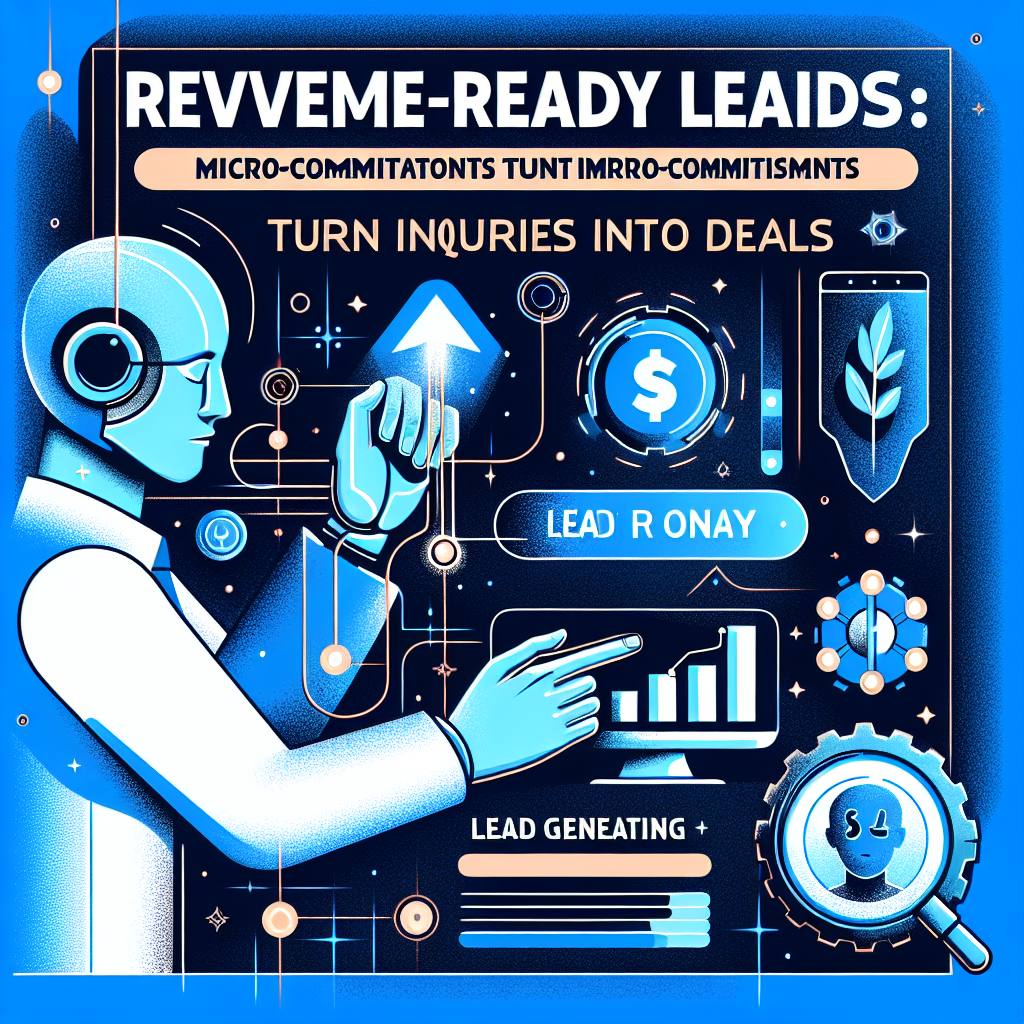


Lead generation is no longer about collecting as many form fills as possible, it is about creating fast, helpful conversations that surface intent and move buyers forward. This guide breaks down practical tactics to capture leads across channels, qualify them with minimal friction, and convert them into revenue with consistent follow-up.
Lead generation and sales used to look linear: run ads, drive traffic to a form, send a few emails, and hope a sales rep catches the lead before it goes cold. Today, buyers behave differently. They message you from Instagram, WhatsApp, Telegram, Facebook Messenger, and web chat. They expect quick answers, clear next steps, and a buying experience that feels as simple as texting a friend.
The teams winning in this environment do not just “get more leads.” They build a system that captures conversations anywhere, qualifies intent quickly, and converts with reliable follow-up. This article lays out a practical playbook you can implement without doubling headcount, plus examples you can adapt to your business.
If your lead capture relies mostly on a website form, you are missing the highest-intent moments that happen inside messaging apps. A prospect who writes “price?” or “can you do this by Friday?” is already raising their hand. Your job is to make that moment frictionless.
Capture is not only about volume. It is about capturing the right context. When you move a buyer into chat, you gain access to questions, objections, and time pressure. Those signals are the raw material for qualification and closing.
This is where platforms like Staffono.ai are helpful. Staffono connects your inbound conversations across WhatsApp, Instagram, Telegram, Facebook Messenger, and web chat and can respond 24/7 with AI employees. That means you can keep the buyer in the channel they chose, while still collecting structured data your sales process needs.
The fastest way to lose a lead is to respond slowly or respond with a wall of text. In messaging, your first goal is not to close, it is to earn the next reply.
Example for a service business:
“Thanks for reaching out. I can help with that. Are you looking for service this week or next week?”
Example for B2B software:
“Got it. To point you to the right plan, how many users will need access?”
If you ask five questions at once, you force the prospect to do work. If you ask one question, you make it easy to continue. The conversation stays alive, and alive leads convert.
With Staffono.ai, you can set up instant replies that still feel personal, then let the AI employee ask the next best question based on the user’s message. The result is speed without sounding robotic.
Qualification is where many teams either overcomplicate or underdo it. You need enough information to route the lead correctly and make a relevant offer, but not so much that the lead bounces.
Use four categories, phrased as buyer-friendly questions:
Do not ask them all at once. Spread them across the flow based on what they asked first. If they asked about availability, start with timing. If they asked about features, start with need and fit.
A clinic receives a WhatsApp message: “How much is teeth whitening?” A qualification flow might look like:
Notice what is missing: long explanations, policy dumps, and unnecessary forms. The lead experiences progress in under two minutes.
Staffono.ai can automate this kind of flow across channels and keep the data structured. Your team sees the lead’s answers, intent, and readiness, not just a messy chat transcript.
Not every lead deserves the same speed and human effort. Your job is to match effort to potential revenue and urgency.
The mistake is treating “warm” like “hot” and wasting rep time, or treating “warm” like “cold” and losing deals that could have closed with better messaging.
With STAFFONO.AI, you can automate routing rules like “If the prospect requests a quote and mentions a start date within 14 days, notify sales” or “If they ask about enterprise integrations, route to the senior rep.” You can also keep response times fast after hours, so hot leads do not cool down overnight.
Many leads stall because the next step feels big: a long call, a detailed brief, a complicated checkout. In messaging, smaller steps convert better.
Also, be careful with sending PDFs too early. In many industries, a message with three bullets and a clear link to book or pay converts better than a document the lead may never open.
Most revenue is won in follow-up, but most follow-up is inconsistent. Messaging makes it easier to stay present, but also easier to annoy. Your goal is to be useful with every touch.
Each message gives a simple reply path. That is what keeps your follow-up from feeling like spam.
Because Staffono.ai runs 24/7, your follow-up does not depend on a rep remembering. You can automate reminders, reactivation messages, and booking prompts while still handing off to a human when a lead is ready.
Leads are not the metric. Revenue is. Track the few indicators that connect conversations to closed deals.
When one channel generates fewer leads but higher booked and close rates, you have a budget allocation decision. When your show rate drops, you have a confirmation and reminder problem, not a lead volume problem.
If you want a straightforward way to start, build this in order:
If you want to move faster without adding operational load, Staffono.ai can function as the always-on front desk for your sales pipeline, answering questions, qualifying leads, and scheduling bookings across the channels your buyers already use. When your team logs in, they see prioritized conversations and clean context instead of scattered messages, which is often the difference between “busy” and “growing.”