
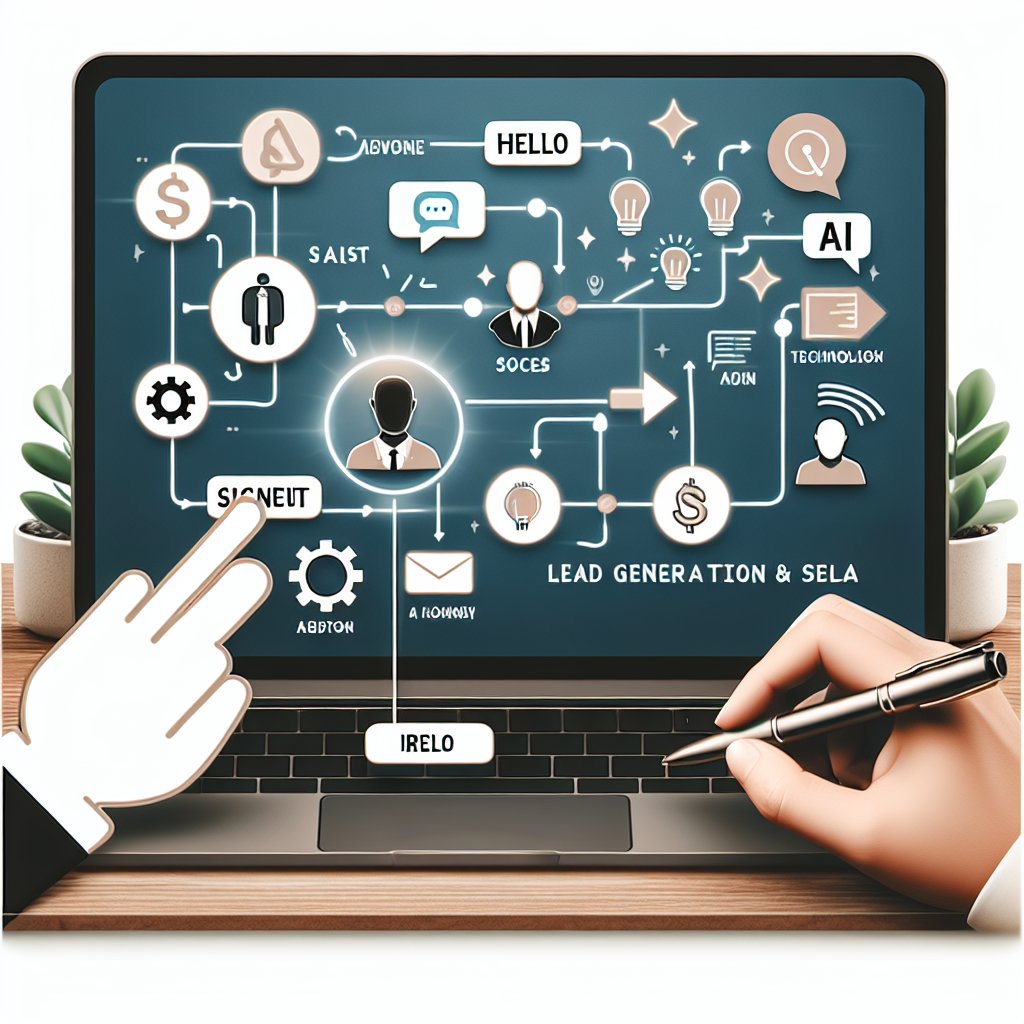
Leads do not convert because you “follow up more.” They convert when every interaction removes uncertainty and moves the buyer to the next small decision. This article shows how to capture, qualify, and convert leads using a conversation map you can apply across WhatsApp, Instagram, web chat, and more.
Lead generation and sales often get treated like two separate jobs: marketing “creates leads,” sales “closes deals.” In reality, most revenue is won or lost inside the conversations between those two points, especially in messaging channels where buyers expect fast, clear answers. The best teams do not rely on heroic reps or endless follow-ups. They build a conversation map: a repeatable sequence of questions, proof, and next steps that turns curiosity into commitment.
Below is a practical system to capture more inquiries, qualify them without friction, and convert them into revenue, with examples you can apply whether you sell services, SaaS, or local appointments. Where automation helps, platforms like Staffono.ai can run the first mile of the conversation 24/7 across WhatsApp, Instagram, Telegram, Facebook Messenger, and web chat, so no lead waits for business hours.
A funnel diagram is useful for reporting. A conversation map is useful for closing. Think of it as a set of “micro-decisions” your buyer must make to move forward. Each message should help the lead make exactly one micro-decision.
A simple conversation map has five stages:
This sounds obvious, but most teams skip stages, ask too many questions too soon, or dump a generic pitch. The result is “ghosting,” which is usually just confusion plus effort.
Capturing leads is not only about volume. It is about capturing the right context at the moment of intent. The fastest way to improve conversion is to ensure that when someone clicks, taps, or messages you, they land in a conversation that starts with clarity.
A lead coming from an Instagram Story is different from a lead coming from a pricing page. Your opening should reflect what they likely saw.
This reduces back-and-forth and makes the buyer feel understood. With Staffono.ai, you can set channel-specific openers and automatically tag the lead source, so your team sees the context instantly.
Many prospects are not ready for a sales call but are ready for an estimate, a demo video, or an eligibility check. Provide two paths that fit different intent levels:
You capture more leads because you reduce the commitment required at the start, while still guiding high-intent buyers to book.
Instead of a long form, ask 3 to 5 questions that directly improve the answer you can give. Example for a B2B service:
If your team cannot respond instantly, automation can. Staffono.ai can collect these details in a natural chat flow and hand off a complete summary to your sales team.
Qualification fails when it feels like a checklist. Great qualification feels like guidance. The goal is to learn: fit, urgency, authority, and constraints. Do it with buyer-friendly questions.
Routing questions determine which playbook to use, not whether the lead is worthy. Examples:
Once routed, your next questions become relevant instead of generic.
Many teams either avoid budget or ask it bluntly. Try ranges and outcomes:
If a lead is not a fit, you can still leave them with value: a lower tier option, a waitlist, or a self-serve resource.
Commitment beats conversation. A lead who completes a small step is more likely to close. Examples:
Staffono.ai can automate these micro-commitments in messaging and nudge politely if the lead pauses, keeping the experience human while staying consistent.
Leads stall when they cannot answer one of these questions:
Your conversion job is to answer those questions in a buyer-friendly order.
Most sales messages list features. Better messages attach features to outcomes and proof. Example:
This is also how to position automation without sounding like you are replacing humans. You are protecting the buyer experience.
When buyers feel uncertain, too many options overwhelm them. Offer a short menu:
Menus increase replies because the lead can choose without composing a long message. Messaging-first automation like Staffono.ai can present these options consistently, then route the lead to the right workflow.
Common objections are predictable. Address them before the buyer has to ask:
This reduces the emotional load of buying.
Imagine a dental clinic or home services company that receives 40 inquiries per day across Instagram and WhatsApp. The team replies when they can, sometimes hours later. Many leads ask the same questions: pricing, availability, location, insurance or service area.
A conversation map could look like this:
With Staffono.ai, the clinic can automate the first three stages, capture details, propose time slots, and then hand off to staff only when a booking is ready or when a complex question appears. The result is not “more automation.” It is fewer missed leads and less repetitive work.
Track metrics that tell you where conversations break:
When you see where drop-offs happen, you can adjust the exact message that causes friction, not overhaul your entire process.
High-performing teams treat lead generation and sales as a product: a designed experience that works the same way every day. Start by writing your conversation map, then build templates for the top 10 questions your leads ask. Finally, decide what should be automated and what must stay human.
If you want a practical way to run this across channels without hiring a night shift, Staffono.ai can act as a 24/7 AI employee that captures inquiries, qualifies leads with buyer-friendly questions, and routes hot opportunities to your team with clean summaries. When your conversations become consistent and fast, revenue becomes more predictable.