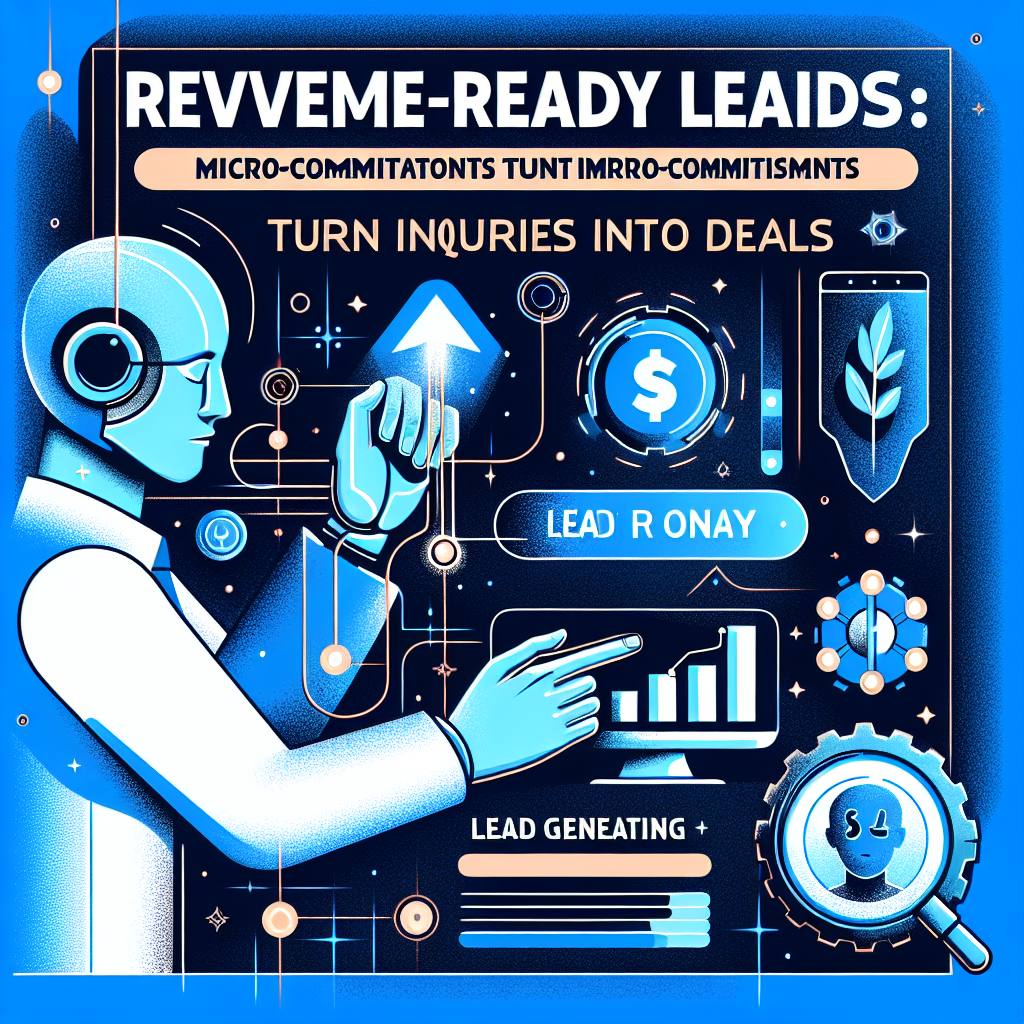

Lead generation is not just about getting more contacts, it is about creating a repeatable path from first message to signed deal. This guide breaks down practical tactics to capture attention, qualify intent fast, and convert leads with messaging-first workflows that scale.
Most lead generation advice focuses on volume: more traffic, more forms, more outreach. But revenue teams rarely lose because they had too few leads. They lose because leads arrive in unpredictable formats, get handled inconsistently, and stall in the gap between “interested” and “ready to buy.” The fix is not another campaign. It is a system that makes every inquiry deal-ready through fast capture, clear qualification, and a conversion path that feels helpful instead of pushy.
Buyers rarely think in funnels. They think in questions: “Can you do this?”, “How much does it cost?”, “Is it available this week?”, “Will this integrate with what we use?” Those questions now show up in WhatsApp, Instagram DMs, Telegram, Facebook Messenger, website chat, and even late-night messages when your team is offline.
If your process treats these as “support messages” instead of sales entry points, you will leak revenue. A deal-ready system begins by turning every inbound conversation into structured data: who they are, what they want, how urgent it is, and what the next step should be.
Platforms like Staffono.ai are built for this reality. Staffono’s AI employees can respond 24/7 across multiple messaging channels, capture key details, and route qualified opportunities to your team while prospects are still engaged.
Generic offers produce generic leads. Replace “Contact us” with entry points that match buyer intent. Examples include “Get pricing for your team size,” “Check availability this week,” or “See if this works with your setup.” Specific prompts pre-qualify by forcing a preference or constraint.
Forms are fragile: users abandon them, and the delay between submission and response kills momentum. Messaging reduces friction and creates a real-time feedback loop. Add click-to-chat buttons on landing pages, product pages, and ads so prospects can ask a question instantly.
With Staffono.ai, those conversations do not depend on your team being available. The AI employee can greet the lead, answer common questions, collect context, and offer the next step (booking, demo, quote request) without waiting for business hours.
Traditional lead magnets (ebooks, webinars) still work, but many buyers want a quick, personalized answer. Create micro-offers that deliver value in under 5 minutes:
These offers attract high-intent prospects because they solve an immediate decision blocker.
Qualification fails when it feels like interrogation. Your goal is to identify fit and urgency while keeping the conversation moving. A reliable approach is to qualify across five dimensions, using simple, natural questions.
You can collect these without a long survey. For example: “To point you to the right option, are you looking for something for a team of 5 or 50?” or “Is this for this month, or later in the quarter?”
Do not ask everything upfront. Ask only what you need to recommend a next step, then collect the rest later. A good sequence is:
This keeps response rates high because each question feels purposeful.
Automation works best when it handles consistency and speed, while humans handle nuance. Staffono.ai can run the first-pass qualification in a friendly tone, summarize the lead, and hand off to a rep with the key details already captured. This reduces back-and-forth and prevents reps from spending time on low-fit inquiries.
Leads stall when you end with “Let me know.” In every conversation, propose a single action that matches their intent level:
One action reduces cognitive load and increases replies.
Some buyers want speed, others want detail. Provide both without making the buyer work.
A messaging workflow can ask: “Do you want the quick answer first, or a deeper recommendation?” This small choice increases engagement and gives you a signal about seriousness.
Most objections repeat. Build a simple library of objection responses that include:
Example for price: “Totally fair. To keep this accurate, is this for one location or multiple? If you share that, I can suggest the best-fit package and a realistic range.”
Most revenue is won in follow-up, but most follow-up is poorly timed and generic. Build a follow-up rhythm tied to buyer context.
Messaging is ideal for this because it is lightweight and easy to respond to.
Instead of “Just checking in,” send something that reduces friction:
Staffono.ai can automate these follow-ups across WhatsApp, Instagram, Telegram, Facebook Messenger, and web chat, using the details collected in earlier messages so each follow-up is contextual.
Imagine a local clinic running ads for consultations. Leads arrive via Instagram DMs, WhatsApp, and web chat. The team responds when they can, often hours later, and many leads disappear.
A deal-ready lead system would look like this:
With Staffono.ai, the clinic can run this flow 24/7, capture bookings automatically, and escalate only the complex cases to staff. The result is not just more leads, it is more attended appointments and higher revenue per inquiry.
Track metrics that connect capture to cash:
When these improve, you can scale acquisition confidently because your conversion engine can handle the load.
If you want to implement these tactics without adding headcount, Staffono.ai can act as an always-on front line for your leads, answering questions, qualifying intent, booking meetings, and keeping conversations moving across every major messaging channel. When your lead handling becomes consistent and immediate, you stop “generating leads” and start generating revenue.