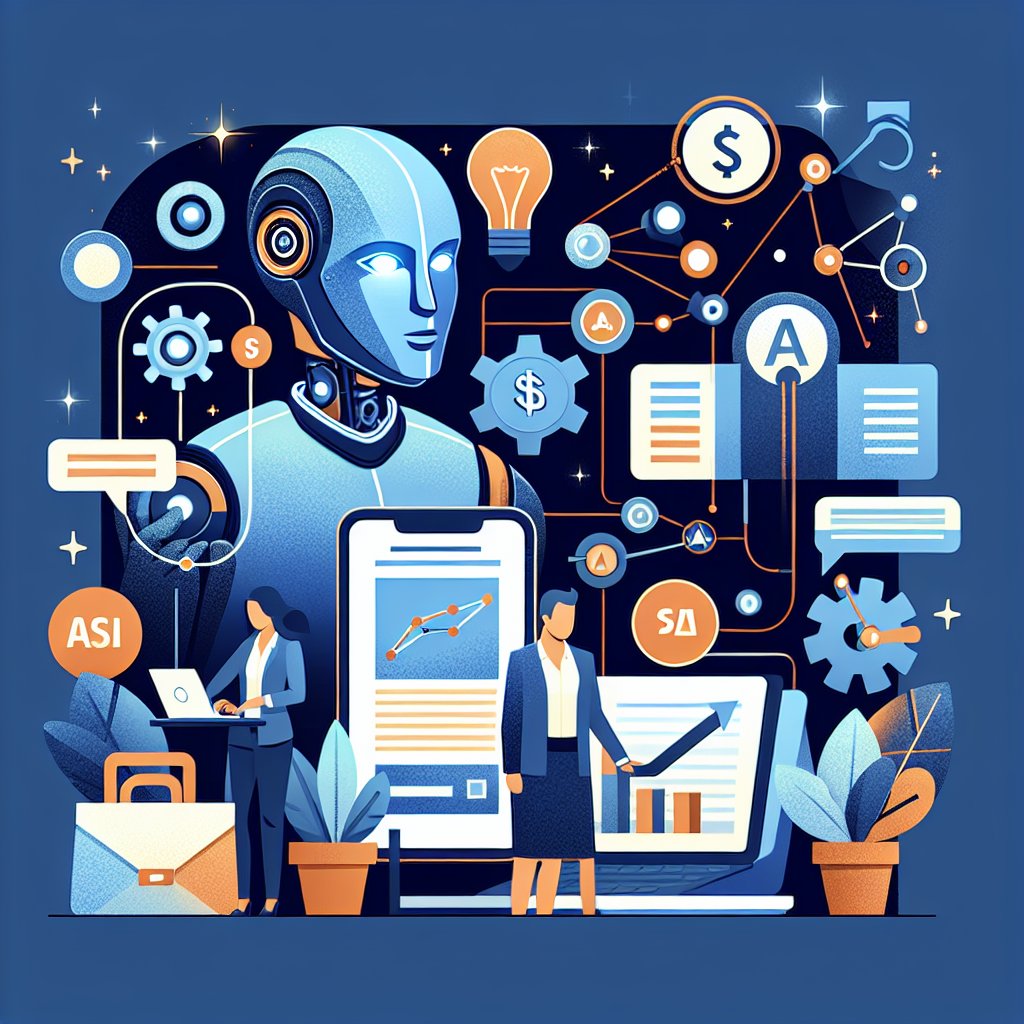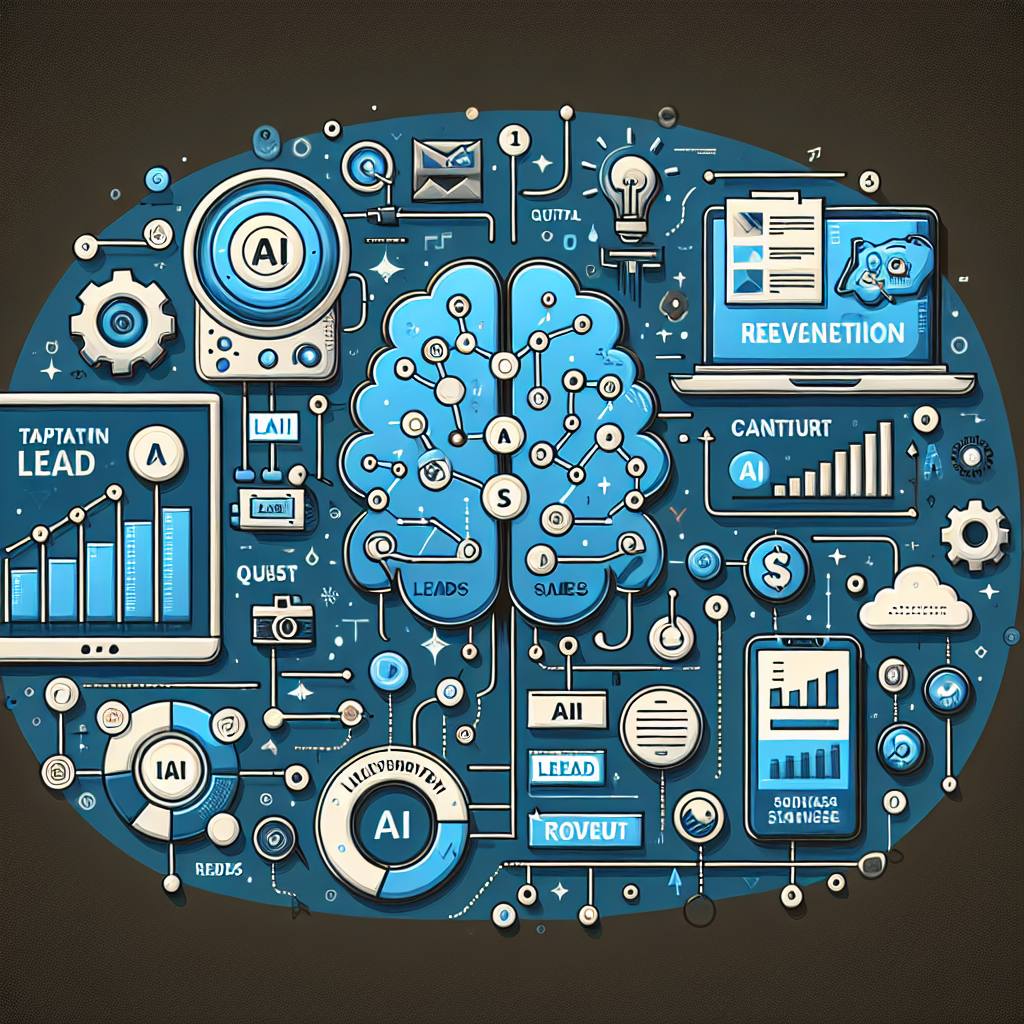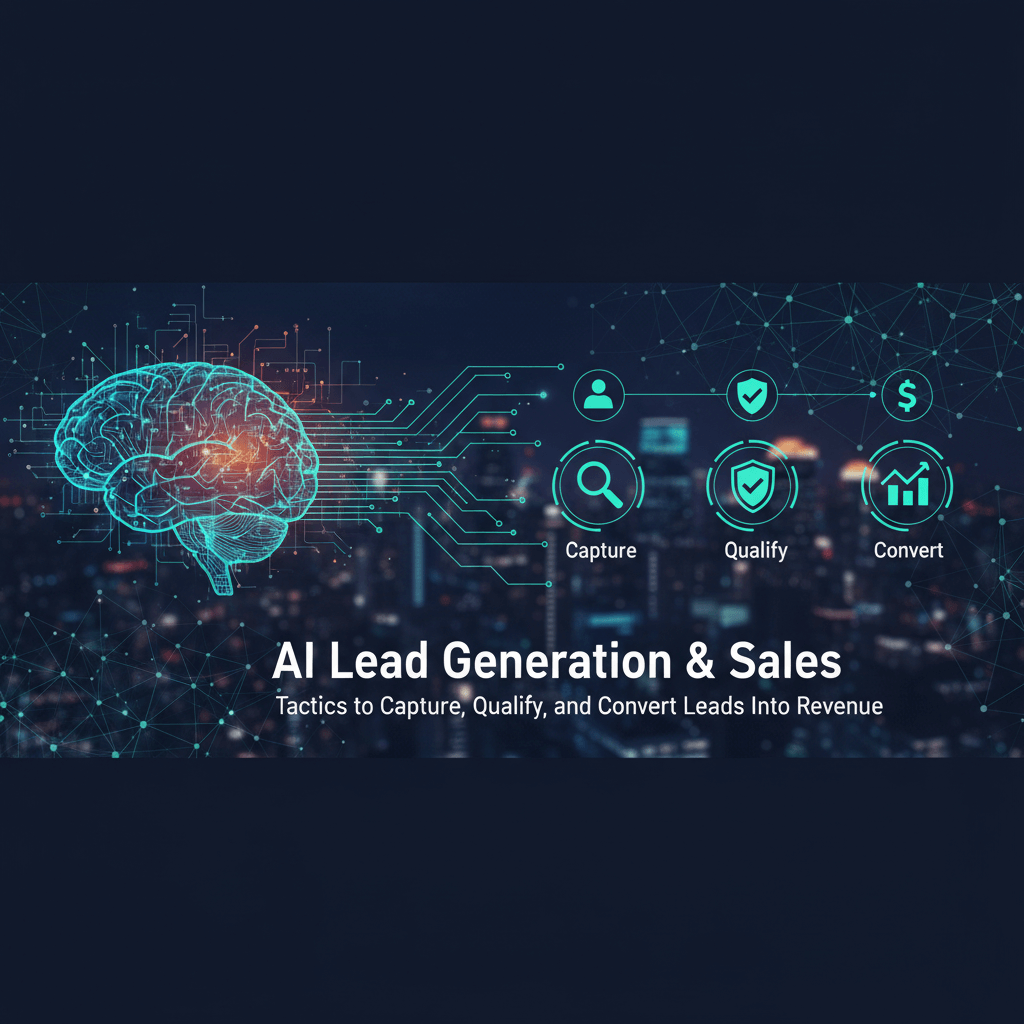

Lead generation is easy to start and hard to scale, especially when replies, follow-ups, and qualification happen across multiple channels. This guide breaks down practical, AI-ready tactics to capture more leads, qualify them faster, and convert them consistently into revenue.
Lead generation and sales have changed. Buyers expect instant answers, personalized recommendations, and a smooth path from first message to purchase, often without ever filling out a long form or waiting for office hours. At the same time, businesses face more channels to manage, higher ad costs, and more competition for attention.
The good news is that modern AI and automation can remove the bottlenecks that typically break the funnel: slow response times, inconsistent qualification, forgotten follow-ups, and poor handoffs to sales. When implemented thoughtfully, AI helps teams capture more conversations, turn them into qualified opportunities, and close more deals with the same headcount.
A reliable lead engine has three parts: traffic, conversion, and nurturing. Many companies focus heavily on traffic (ads, content, partnerships) while underinvesting in conversion and nurturing. That is where revenue leaks happen.
To fix this, start by mapping your funnel as a set of measurable steps:
If you do not measure each step, you cannot improve it. Track conversation rate, qualification rate, booking rate, and close rate by channel.
Forms still work, but messaging is often faster and converts better, especially on mobile. Give prospects a low-friction way to reach you where they already spend time: WhatsApp, Instagram, Facebook Messenger, Telegram, and web chat. The goal is to reduce the effort required to ask a question.
Practical capture tactics:
Platforms like Staffono.ai help businesses operationalize this approach by providing 24/7 AI employees that respond instantly across WhatsApp, Instagram, Telegram, Facebook Messenger, and web chat. That matters because the first minute after a lead reaches out is often the difference between a conversation and a lost opportunity.
If your cost per lead is high, your offer may be too vague. Tighten it by making the outcome specific and the next step simple.
The capture stage is about clarity and speed. Prospects should know exactly what happens after they click.
Qualification is where many teams either waste time on poor-fit leads or accidentally scare away good ones with too many questions. The best approach is progressive profiling: ask only what you need to route the lead correctly, then collect more detail later.
Choose a simple framework your team can consistently apply. A common one is BANT (budget, authority, need, timeline) or a lighter version:
Turn this into a short set of chat questions. For example:
AI is especially effective at qualification because it never gets tired, never forgets the script, and can adapt the flow based on answers. With Staffono.ai, an AI employee can greet a lead, ask the right questions, tag the lead based on intent, and either book them instantly or hand them to a human closer with context. This keeps the experience smooth for the buyer while protecting your team’s time.
Example: A local service business receives 50 inquiries per day across Instagram and WhatsApp. An AI employee qualifies each lead by service type, location, and timeframe. High-intent leads get offered immediate booking slots. Low-intent leads receive educational answers and a follow-up sequence. The team only speaks to leads that meet criteria or request a human, which increases close rate without increasing payroll.
Most deals are won in the follow-up, but most follow-up is inconsistent. People get busy, leads go cold, and opportunities vanish. The fix is to create a predictable cadence and automate the parts that do not require human judgment.
A simple sequence can dramatically increase conversions:
Keep messages short, helpful, and specific. Avoid generic “Just following up” texts. Instead, reference what they asked for and offer a concrete action.
Speed-to-lead is a conversion lever you can control. If you respond in 5 minutes instead of 5 hours, you often beat competitors automatically. AI messaging can deliver that speed at scale, while scheduling automation removes the back-and-forth of calendar coordination.
Staffono.ai can handle bookings directly inside chat, so a lead can move from question to confirmed appointment in the same conversation. That reduces drop-off and creates a clear moment of commitment.
Not all leads need the same path. Route them based on intent:
Common objections are predictable: price, trust, timing, and complexity. Prepare short responses and proof assets. In chat, offer:
When a lead needs a human, the handoff should include what the lead wants, their timeline, and what has been discussed. This prevents the frustrating “Can you repeat that?” moment. AI-led qualification that passes structured notes to sales helps your closers focus on persuasion, not data collection.
To scale lead generation and sales, track a small set of metrics weekly:
Then run experiments. Change one variable at a time: opening message, qualification questions, offer wording, follow-up cadence, or booking flow. Over time, small gains compound into major revenue growth.
Capturing, qualifying, and converting leads is not about a single trick. It is about building a system that responds instantly, asks the right questions, and guides buyers to the next best step. AI and automation are now practical tools for doing this across the channels your customers prefer, without sacrificing a human tone.
If you want to increase conversions while reducing the manual workload on your team, consider implementing AI employees that can handle customer communication, qualification, and bookings around the clock. Staffono.ai (https://staffono.ai) is built for exactly this, helping businesses manage sales conversations across WhatsApp, Instagram, Telegram, Facebook Messenger, and web chat, so you can turn more inquiries into revenue while your team focuses on high-value closing and delivery.